Garden Sieve Buying Guide
Whether you an allotment, garden, or small balcony, a garden sieve is an invaluable tool for growing plants. Allowing you to alter the consistency of garden soil, this simple tool is one of the most invaluable for gardeners that want to give their seedlings and plants the best chance to thrive.
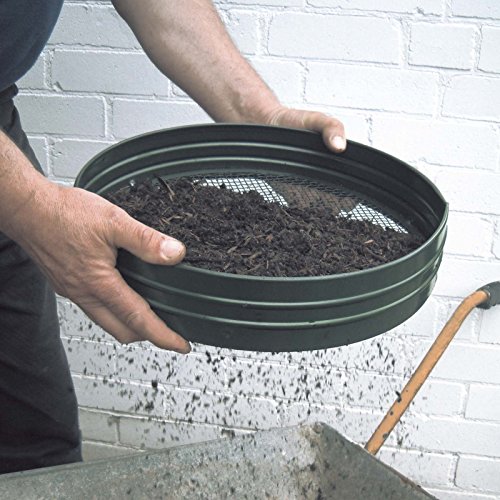
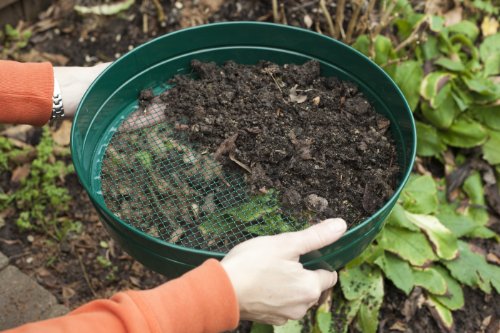
Suitable for soil and compost, the sieve can be used in various ways, from making planting soil finer for seedlings to removing stones, weeds, and roots from your soil for improved growing conditions. They are inexpensive and help create better soil consistency for all kinds of growing, including fruits, vegetables, flowers, and much more.
Why Buy a Garden Sieve?
Why exactly would you need such a tool for planting? Well, soil with lots of clumps and stones provide a more challenging growing environment for plants, especially seedlings that lack the strength to bypass these obstacles.
By creating a fine consistency to the soil, you provide perfect growing conditions for seedlings and any other plant, as they require less effort to move through the soil. This results in healthier, more robust root systems and better overall growth.
How to Choose a Garden Sieve
what tool is best for your needs depends on a few things, so check out the guide below for all the if no you need to find the right one for your garden:
Sieving Requirements
Consider what type of soil you are sieving to help you find a product suitable for your needs. For example, if growing seeds and seedlings, you want a fine mesh to ensure soil is free from clumps to ensure better growth.
If you are reclaiming soil from an allotment or bed, then you want a durable product that can handle lots of stones and other heavy debris. If weeds and roots are being sieved then make sure the mesh is as small as possible to prevent any escaping.
Hole Size
As mentioned above, different hole sizes are suitable for different sieving tasks, so always be sure to consider what you need. Smaller holes are best suited when breaking up bags of soil or compost for seeds, as they need a fine consistency to ensure optimal growing conditions.
When working on a plot or allotment, larger holes are okay as you are mostly trying to remove stones and other loose debris. Weed heavy areas may benefit from a finer mesh size to prevent any roots from escaping and regrowing.
Some of the most common hole sizes include 6mm, 7mm, 9mm, and 12mm.
Material
The best material is usually metal, as it is much stronger and more durable so can withstand all the wear and tear that comes with it.
Most of the top selling products are circular and made from metal, with strong mesh wire to sift through material. They are the best when dealing with chunky debris that has a lot of stones and weeds, providing much finer soil after sieving.
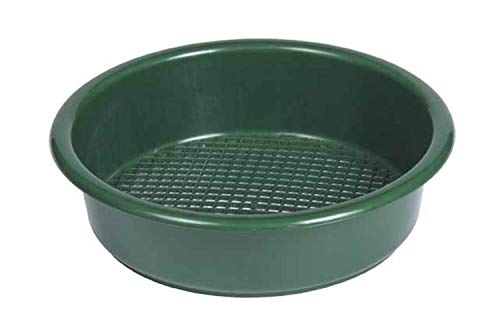
Plastic types are available and generally much cheaper. While they are resistant to rusting, unlike some metal types, they are much flimsier and likely to break.